Why Commercial Properties Still Rely on Manual Crank Awnings
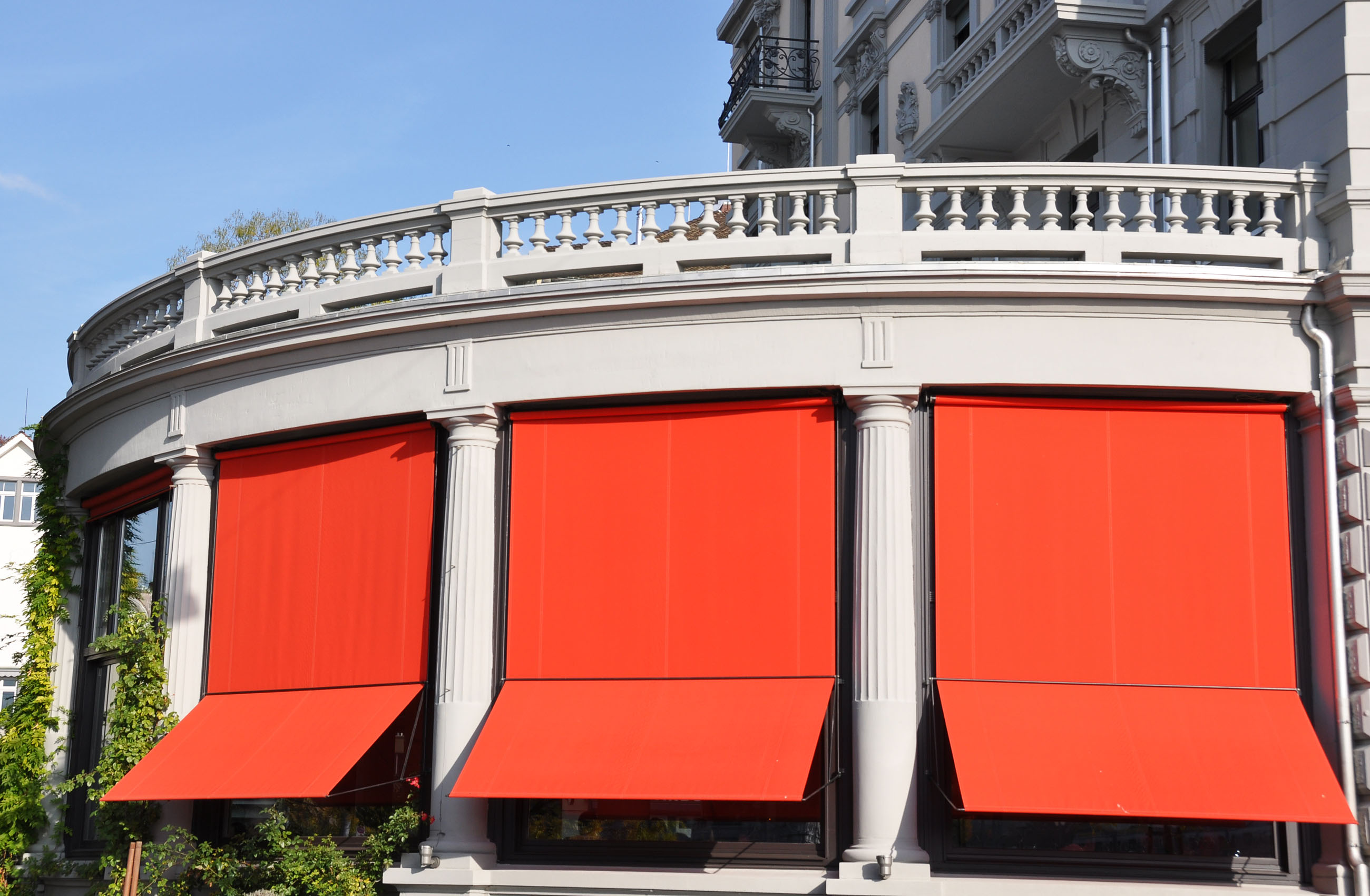
Commercial properties across the country continue to seek practical, reliable ways to improve their storefronts and outdoor spaces. Business owners often explore various architectural features to enhance curb appeal, shield patrons from unpredictable weather, and expand outdoor seating options. While technological advancements have introduced automated systems to the market, traditional shade structures remain a dominant choice for commercial applications. Choosing commercial awnings that feature classic mechanical operation allows businesses to maintain full control over their exterior environment without relying on complicated power connections. These durable installations provide immediate shade, protect window displays from harmful sun exposure, and create welcoming entrances for foot traffic. Understanding why property managers continue to select manually operated shade solutions helps clarify the long-term strategic advantages they offer for various business models.
Unmatched Mechanical Reliability of Hand Crank Mechanisms
Reliability stands as a top priority for any commercial establishment managing daily operations. Manual hand crank systems function through straightforward gear mechanisms that move smoothly without depending on electrical power or internal motors. When unexpected power outages occur, businesses with automated systems may find their outdoor covers stuck in undesirable positions, leaving outdoor areas exposed to sudden storms or direct sunlight. In contrast, commercial awnings operated with a simple hand crank can be deployed or retracted instantly regardless of electrical availability. This mechanical simplicity reduces the risk of operational disruptions during busy service hours. By removing electronic components that could fail, property owners ensure their outdoor spaces remain fully functional and protected under all operating conditions.
Cost-Effective Installation and Long-Term Budget Management
Managing capital expenditure is essential for every growing company, making initial installation costs a major factor when choosing building upgrades. Modern commercial awnings with motorized controls require dedicated electrical wiring, control switches, and sometimes professional electrical inspections before they can operate legally. Manual systems bypass these extra installation requirements entirely, allowing for faster mounting directly to building facades. According to Gitnux, an online market research resource, about 25% of awning users prefer a manual option over motorized awnings due to lower costs. Eliminating complex motor assemblies and electrical hookups keeps upfront investments manageable while maintaining high functional quality. This cost efficiency allows property managers to allocate valuable capital toward other essential business improvements.
Lower Maintenance Needs and Simplified Daily Upkeep
Every exterior building component requires regular attention to look clean and function safely, but complex systems often demand higher ongoing maintenance. Automated structures contain motorized drives, remote sensors, and wiring connections that can wear down over time due to weather exposure. Manual commercial awnings eliminate these vulnerable electronic parts, relying instead on heavy-duty internal gears, durable arms, and solid support brackets. Routine upkeep for a manual crank setup generally involves simple visual inspections, occasional gear lubrication, and standard fabric cleaning. Because there are fewer moving components subject to electrical breakdown, ongoing service needs remain minimal. This straightforward design saves facility managers time and keeps routine maintenance budgets predictable year after year.
Complete Physical Control Over Shade and Coverage
Every commercial space has unique layout requirements, especially when dealing with shifting sunlight throughout the operating day. Manual hand cranks give staff members complete, precise control over how far a shade structure extends over sidewalks, dining patios, or merchandise displays. Employees can quickly adjust commercial awnings to match changing weather conditions, extending them fully during intense afternoon sun or rolling them back when gentle breezes pass through. Unlike automated systems that move at fixed motor speeds, manual cranks allow smooth, incremental adjustments tailored to the exact comfort of seated guests. This hands-on adjustability ensures that outdoor customer zones remain comfortable, cool, and well-protected from morning until evening.
Enhanced Durability Against Harsh Weather Elements
Exterior installations must withstand constant exposure to harsh rain, intense UV rays, freezing temperatures, and strong winds. Electric motors and internal control boards hidden inside motorized housing units can suffer moisture damage or overheating when subjected to severe weather cycles. Manual commercial awnings feature sealed mechanical gearboxes built from rugged metals that resist corrosion and wear. Without delicate circuit boards to protect, these heavy-duty frames handle severe weather conditions with exceptional resilience. Property owners who install sturdy manual crank systems enjoy reliable exterior protection that stands up to demanding environmental factors without fear of sudden electronic failure.
Preserving Historical Architectural Integrity and Aesthetics
Many commercial properties operate within historic downtown districts or specialized architectural guidelines that govern building modifications. Installing modern electrical conduits, external motor boxes, or automated sensors on historic brick facades can alter classic building aesthetics and violate local preservation rules. Manual commercial awnings fit seamlessly into historic architecture because their mounting hardware remains subtle, elegant, and true to traditional building designs. The classic hand crank hook integrates smoothly without requiring intrusive wall cuts or visible conduit lines across exterior masonry. This clean appearance preserves the original character of historic buildings while delivering modern shade functionality and brand visibility.
Better Energy Efficiency and Reduced Environmental Footprint
Businesses today increasingly look for ways to reduce overall energy consumption and lower their operational carbon footprint. Large commercial awnings designed to shade storefront windows play an important role in reducing indoor heat gain, which lowers cooling demands on main air conditioning systems during hot summer months. Choosing manual operation enhances these energy-saving benefits because the shading system itself consumes zero electricity to function. Operating heavy shade covers manually requires no power draw from the grid, ensuring environmentally conscious operation every time the unit extends or retracts. This combination of zero energy use and reduced indoor cooling loads supports sustainable building practices seamlessly.
Versatility Across Diverse Commercial Applications
Different types of commercial enterprises require flexible outdoor solutions tailored to their specific daily routines. Restaurants and cafes rely on sturdy commercial awnings to create comfortable outdoor dining spaces that attract passersby and increase seating capacity. Retail stores use them to highlight entryways, frame window displays, and shield valuable products from sun fading. Hotel properties and office complexes utilize manual crank shades over courtyards and valets to offer comfortable waiting zones for guests and employees. The versatility of hand crank systems makes them an ideal fit across retail, hospitality, and corporate environments that demand dependable day-to-day operation.
Simplicity of Operation for Frontline Business Staff
In high-tempo commercial environments, employee tasks should remain as efficient and straightforward as possible. Operating a manual crank awning requires no complex programming, remote control synchronization, or troubleshooting of lost wireless signals. Any staff member can easily attach the lightweight crank handle and smoothly extend or retract commercial awnings within seconds. This simple operation ensures that team members can react immediately to sudden rain showers or shifting sun angles without searching for remotes or navigating digital control panels. Streamlining exterior management tasks allows staff to keep their primary focus on delivering excellent service to arriving customers.
Long-Term Value and Superior Investment Returns
Evaluating building upgrades requires looking beyond initial purchase price to consider long-term durability, overall utility, and lifetime service value. High-quality commercial awnings equipped with manual hand cranks offer an exceptional operational lifespan due to their sturdy physical construction. With fewer electronic parts to replace over time, these traditional shade structures deliver consistent performance year after year with minimal operating costs. Their ability to enhance building aesthetics, expand usable floor space, and protect interior spaces makes them a smart long-term investment. Choosing manual crank shade installations ensures your property achieves maximum practical value while maintaining a polished, inviting storefront.
Transforming your business exterior with attractive, reliable shading solutions is a proven way to attract new customers and protect your investment. Classic manual hand crank systems offer the ideal balance of mechanical durability, effortless control, and long-lasting style for any commercial venue. When you are ready to enhance your property's curb appeal and outdoor usability, partner with experienced professionals who understand custom architectural shade design. Contact JC Awnings today to explore high-quality manual shade options designed specifically to meet the daily demands of your business.