Key Functional Advantages Choosing a Modern Residential Awning
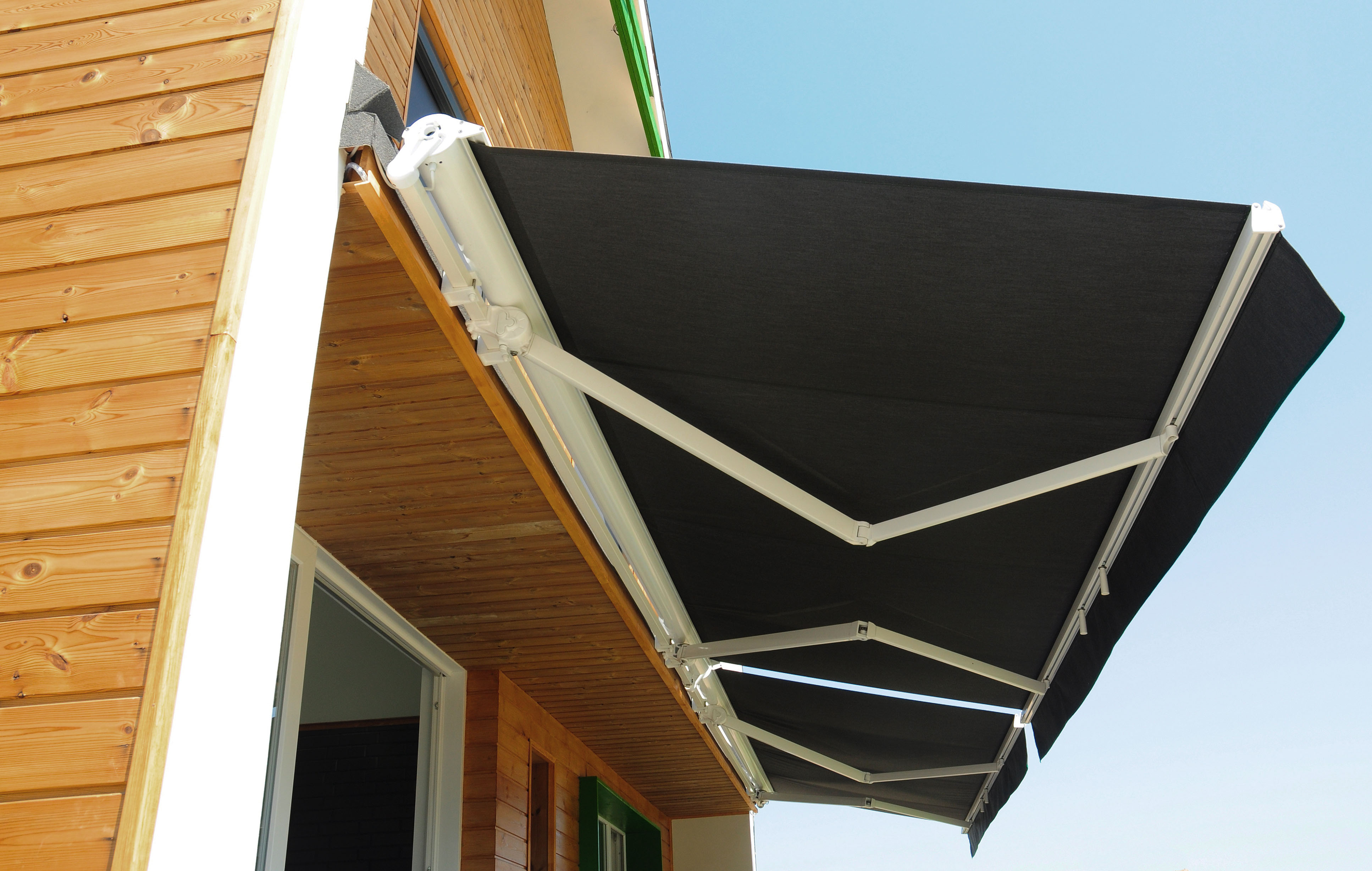
A bright afternoon can make a deck or patio inviting, but direct sunlight can also limit how long people want to stay outside. At certain hours, the same sunshine may stream through nearby windows, leaving indoor rooms warmer or uncomfortably bright. These everyday conditions help explain why awnings are more than decorative features. Their placement and design can change how a home and its surrounding outdoor areas feel throughout the day.
Choosing a residential awning involves considering when shade is needed, how much space should be covered, and whether the homeowner prefers a fixed or adjustable design. Modern options offer practical ways to respond to those needs without fundamentally changing the purpose of a patio, deck, or window. The greatest advantages come from matching the style of coverage to how a household actually uses its space.
Create Comfortable Shade Where It Matters
Direct sun can make outdoor seating uncomfortable even on otherwise pleasant days. Patio furniture may become hot, and guests may move indoors simply because a favorite gathering spot offers little relief from the afternoon heat. An awning provides overhead coverage that can reduce direct sunlight in a selected area, making it easier to enjoy outdoor activities during brighter periods.
The position of the sun changes with the season and throughout each day. Because of that, the useful shaded area depends on more than the width of the fabric. Projection, mounting position, and the orientation of the house influence where the shadow falls at the times that matter most. A canopy chosen with those conditions in mind can make shade more predictable around a dining table, lounge area, or entryway.
Shade does not eliminate outdoor heat, and low-angle sunlight may still reach beneath a canopy. Nevertheless, reducing direct exposure can make an existing space considerably more inviting without requiring an entirely different outdoor layout.
Adjust Coverage as the Weather and Plans Change
Permanent shade is not the best fit for every household. Some people enjoy morning sunshine on their patio but prefer coverage later in the day. Others want an open view of the sky for certain occasions and a shaded place to sit at other times. Retractable designs address that preference by allowing the awning to extend when coverage is useful and retract when it is not.
A modern residential awning can be selected with either a manual or motorized retractable system. The distinction concerns how the canopy is operated, not whether it should be left extended in every kind of weather. Retractable awnings have operating limits, especially during strong winds or severe conditions, and homeowners should follow the guidance for their particular model.
This flexibility is especially useful for outdoor areas with changing purposes. A patio can remain open during a sunny breakfast and provide shade for an afternoon visit. Instead of committing to constant overhead coverage, homeowners have more control over the conditions they create outside.
Give Patios and Decks More Everyday Purpose
Outdoor spaces are most useful when people can count on them for ordinary activities. A deck might be large enough for a dining set, yet go unused during the brightest part of the day. A patio could be an appealing place to read or talk with friends, but limited shelter may keep those plans dependent on the forecast. Awnings help define a sheltered area that feels connected to the home.
Stationary styles provide consistent overhead coverage, while retractable models let residents decide when to extend it. Certain stationary awnings can also provide protection from rain, depending on their design and materials. That does not make every awning suitable for heavy rain, wind, or snow; weather resistance varies, and appropriate use matters.
A thoughtfully positioned residential awning can turn an underused section of a deck or patio into a more dependable gathering area. Rather than increasing the home's interior square footage, it helps people make more frequent use of outdoor space they already have.
Reduce Direct Sunlight Through Nearby Windows
The benefits of shade are not confined to the space beneath an awning. Sunlight striking windows can also contribute to glare and indoor heat buildup, particularly where a room receives strong afternoon exposure. Overhead coverage may block some of that direct sunlight before it reaches the glass, changing how bright or warm the adjoining interior feels.
This is one reason a residential awning can serve both an outdoor seating area and the room immediately behind it. By limiting some solar heat gain, suitable awning placement may reduce cooling demand during sunny weather. Actual results depend on window orientation, the awning's dimensions, climate, and other building conditions; an awning should not be treated as a guarantee of lower energy use.
An awning's shade may shift during the afternoon, so a window shielded at noon could receive sunlight later. That changing pattern makes window location and the household's most uncomfortable hours important when deciding where to add coverage. Evaluating these details helps clarify whether a patio awning can also address an indoor concern.
Match the Coverage to the Size of the Space
A compact doorway and a broad patio do not need the same amount of coverage. An awning that is too narrow may leave much of the intended seating area in direct sun, while one selected without considering its projection could shade the wrong portion of the space. The goal is not simply to choose the largest canopy available but to establish the dimensions that serve the way the area is arranged.
According to Bob Vila, some awnings designed for homes are wider than 15 feet, and combining multiple units can increase the total area covered. That range of possibilities matters because a long outdoor space may call for a different arrangement than a small deck. The feasibility of any configuration still depends on the building and the available mounting locations.
Working through the intended footprint with a residential awning professional also helps account for doors, windows, and the movement of people beneath the canopy. Coverage is most valuable when it corresponds to where people sit, enter, and spend time, rather than merely looking substantial from the yard.
Choose an Appearance That Complements the Home
Function should lead an awning decision, but appearance still matters. A canopy becomes part of the home's exterior, often spanning a prominent portion of the patio or facade. A style that fits the architecture can make the new coverage feel intentional rather than added on as an afterthought. Color, fabric pattern, frame design, and whether the structure is fixed or retractable all influence that impression.
Custom designs allow homeowners to consider the character of their property alongside their practical needs. A stationary awning may suit someone who prefers a consistent, architectural element, while a retractable model can offer a different visual profile when closed. Neither choice is universally better; the right fit depends on how the outdoor area is used and how much flexibility the household wants.
A residential awning should therefore be evaluated as both a shade structure and a visible feature of the home. When design decisions support its intended use, an attractive finish becomes part of a practical improvement rather than the sole reason for choosing it.
An awning should do more than complement a home's exterior; it should make the surrounding space more enjoyable and practical for everyday living. Choosing a design that reflects the household's routines can make a meaningful difference in how often that space gets used. At JC Awnings, we offer customizable residential awnings, including stationary designs and manual or motorized retractable options. Whether your priority is adjustable shade or consistent coverage, we can help you find an awning that suits your home and the way you enjoy spending time outdoors.