
How Window Awnings Help Protect Windows From the Elements
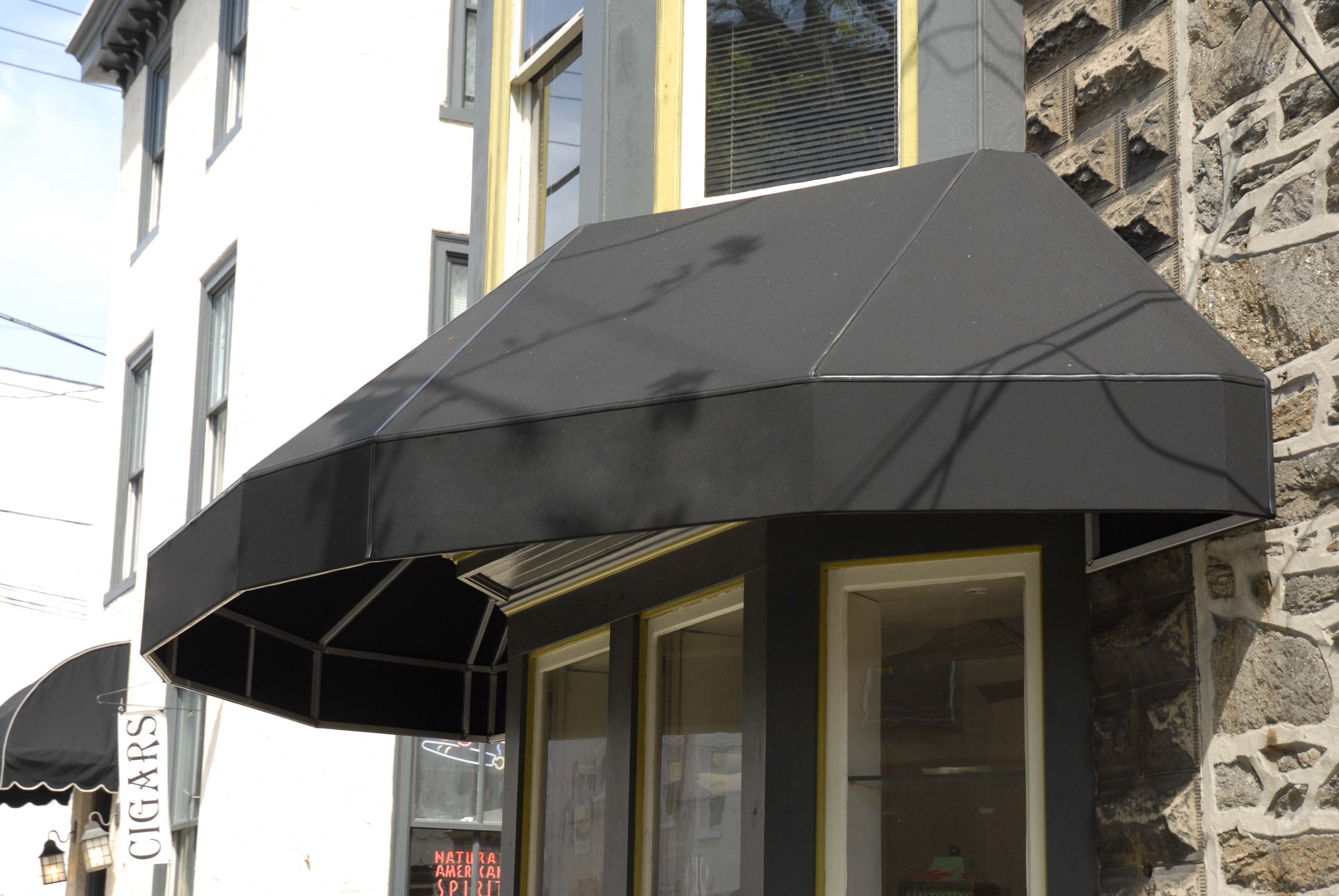
Awnings have long been valued for their ability to shield windows from harsh weather while improving the appearance and comfort of a building. Positioned above exterior windows, these coverings create a barrier against direct sunlight, rain, snow, and wind. By reducing repeated exposure to environmental conditions, they can help protect window frames, seals, glass, and nearby exterior materials from premature wear. They may also reduce indoor heat gain, support more comfortable room temperatures, and protect furnishings from fading. For homeowners looking for a practical exterior feature that combines function with visual appeal, window awnings can provide useful benefits throughout multiple seasons.
Understanding Awning Designs and Materials
Window awnings are exterior coverings that extend outward from a building to provide shade and weather protection. They are available in fixed, retractable, and motorized configurations, giving property owners options based on architecture, climate, and convenience. Fixed designs remain in position throughout the year, while retractable versions can be extended during strong sunlight and drawn back when more natural light is preferred. Motorized systems offer additional convenience through remote controls or automated sensors.
Modern awnings are made from materials selected for durability and appearance. Acrylic fabrics are commonly used for UV resistance, while vinyl-coated polyester can perform well in areas with frequent moisture. Aluminum is often used in frames because it is lightweight, strong, and corrosion resistant. Fabric colors, patterns, edge shapes, and frame finishes can also be coordinated with siding, trim, roofing, and other exterior details. Choosing materials suited to local weather helps improve long-term performance.
Reducing Sun Exposure and Heat Gain
One of the most noticeable benefits of window awnings is their ability to block direct sunlight before it reaches the glass. Constant ultraviolet exposure can contribute to fading, deterioration of some sealants, and gradual wear on surrounding materials. Shading the glass reduces direct solar exposure and may help protect both the window assembly and the interior of the home, especially on windows that receive strong afternoon sunlight.
Awnings can also reduce solar heat gain indoors. According to This Old House, an awning placed over a south-facing window may reduce heat gain by 65%, while one installed over a west-facing window may reduce it by 77%. Less heat entering through the glass can make rooms more comfortable and may reduce the demand placed on air-conditioning systems. Interior furnishings may benefit as well because upholstery, carpets, curtains, wood finishes, photographs, and artwork can fade after prolonged exposure to strong sunlight.
Protecting Windows from Rain and Moisture
Rain and repeated moisture exposure can gradually affect window frames, sills, caulking, and exterior finishes. A properly positioned awning creates an overhang that helps redirect rainfall away from the glass and surrounding areas. Water-resistant fabrics and sloped surfaces encourage runoff instead of allowing moisture to remain near vulnerable joints. This can reduce the amount of water that repeatedly strikes trim, seals, and other exterior components.
Reducing direct water contact can be especially helpful for older windows or exterior materials that require regular upkeep. Paint can peel, wood can swell or deteriorate, and weakened seals may become more susceptible to leaks when moisture exposure is persistent. Although an awning cannot correct an existing leak or installation problem, it can provide an additional layer of protection against routine rainfall. Window awnings may therefore support a broader exterior maintenance strategy by helping keep vulnerable areas drier.
Managing Snow and Winter Conditions
In colder climates, awning design must take snow accumulation into account. Frames and mounting systems should be suitable for local weather conditions, and the pitch of the covering should encourage snow to slide away rather than collect in one location. Reinforced aluminum or steel components may be appropriate where additional structural strength is needed. Homeowners should also follow manufacturer recommendations regarding snow removal and seasonal use, particularly for retractable models that may need to remain closed during heavy storms.
Awnings can help limit direct exposure to snow and ice around window openings, but secure installation is essential. Accumulated snow adds weight to exterior structures, while ice can place stress on mounting points and materials. Choosing a product designed for regional weather and periodically inspecting it after severe storms can help identify loose fasteners, damaged fabric, or bent components before those issues worsen.
Improving Wind Resistance and Stability
Wind can place considerable pressure on exterior coverings, making attachment and structural design especially important. Modern awnings may use streamlined shapes, reinforced support arms, tension systems, and strong mounting brackets to reduce movement. Mounting points should connect to suitable structural areas rather than weak exterior finishes alone. Professional installation can help ensure that brackets, fasteners, and supports are appropriate for the building material and expected weather conditions.
Retractable systems can offer flexibility during severe wind because they may be closed when storms approach. Some motorized models include sensors that automatically retract the covering when wind reaches a certain level. Even with these features, homeowners should understand the product's wind rating and operating recommendations. No exterior covering should be assumed to withstand every storm condition, so routine inspections and responsible use remain important.
Supporting Energy Efficiency and Indoor Comfort
By blocking solar radiation outside the glass, awnings can complement other efficiency measures such as insulated windows, weather sealing, curtains, and efficient HVAC equipment. Exterior shading is effective because it intercepts sunlight before heat passes through the window. During hot weather, this may help rooms maintain more stable temperatures and reduce reliance on mechanical cooling, particularly on south- and west-facing sides of a home.
The comfort benefits extend beyond temperature. Reduced glare can make living rooms, offices, and entertainment areas easier to use during bright parts of the day. Shading can also make it more comfortable to sit near windows without closing curtains completely. When carefully selected, window awnings can provide a practical balance between daylight, shade, visibility, and indoor comfort.
Adding Exterior Style and Curb Appeal
Awnings also serve as architectural features, and their visual impact can be significant. Traditional striped fabrics may complement older homes, while solid colors and simple profiles can suit contemporary designs. Decorative edges, coordinated trim, and custom sizing allow an awning to become an intentional part of the facade. A well-proportioned design can add depth to an exterior wall while also providing functional protection.
Because awnings are highly visible from the street, colors and patterns should be chosen with the rest of the exterior in mind. Homeowners may want to consider siding color, roofing materials, shutters, doors, and landscape features before selecting a style. Keeping the fabric clean and the frame in good condition also helps preserve curb appeal over time.
Choosing the Right Awning for the Property
Selecting window awnings begins with evaluating the conditions around each opening. Directional exposure, nearby trees, roof overhangs, wind patterns, rainfall, snowfall, and installation height can influence the ideal design. A west-facing window receiving intense afternoon sunlight may require different coverage than a shaded north-facing opening. Measurements must also be accurate so the awning provides sufficient projection without interfering with doors, walkways, gutters, or other exterior features.
Ultimately, window awnings offer a combination of weather protection, shading, energy support, and exterior style. Their effectiveness depends on selecting the right materials, dimensions, mounting method, and operating style for the property. With appropriate installation and regular care, they can help reduce direct exposure to sunlight and moisture while contributing to a more comfortable and visually appealing home. Considering local weather and the specific needs of each window can help homeowners make a practical long-term choice. Contact our team at JC Awnings today and learn more about our awning products and services.
Contact Us
- Seth@nysigndesign.com
- Port Chester, NY 10573
- 1-844-200-7364