
How Window Awnings Help Lower Your Energy Costs
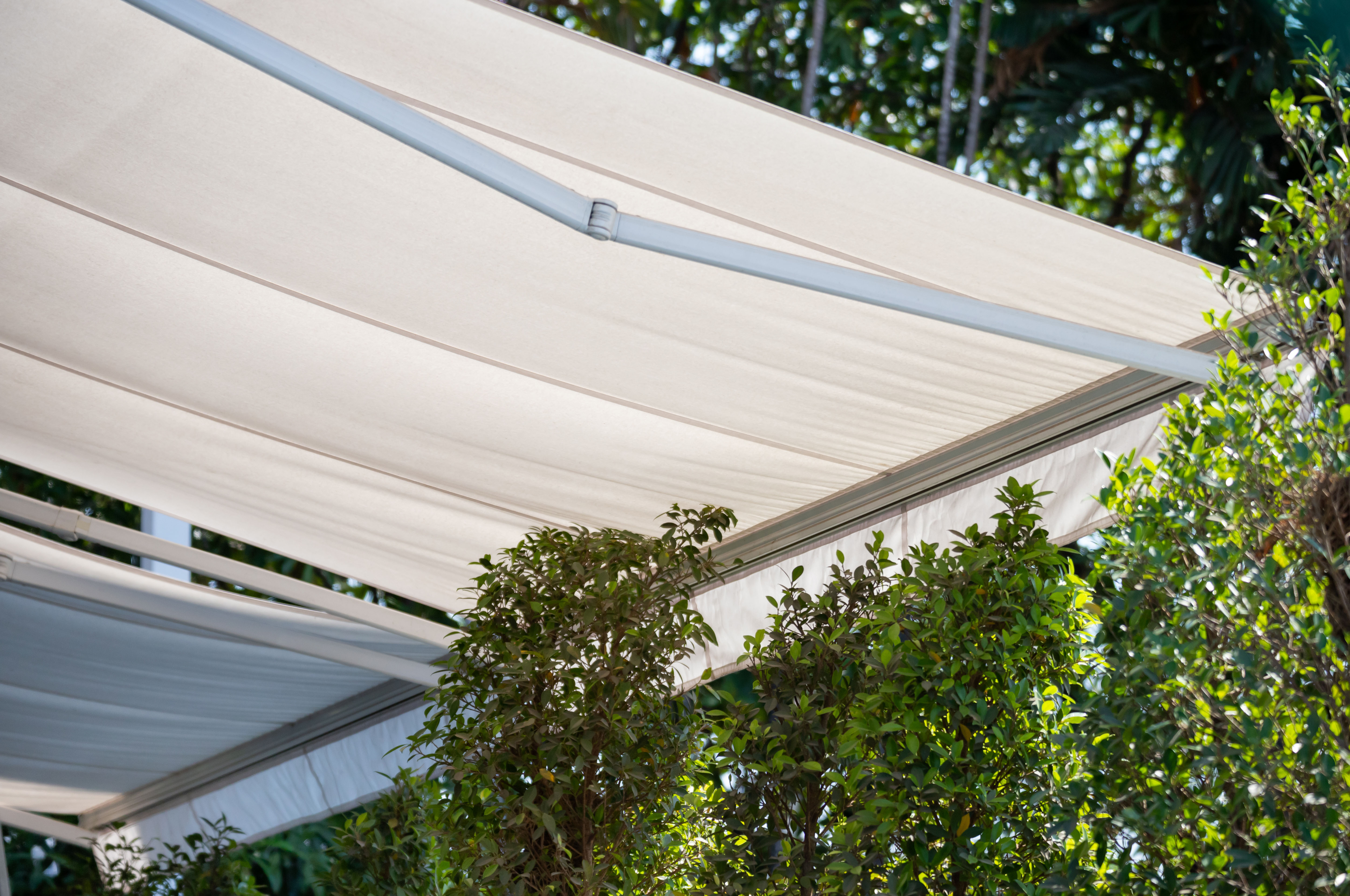
The pursuit of a more sustainable and cost-effective home environment often leads property owners to look at solutions like smart thermostats or advanced HVAC systems. However, some of the most effective methods for managing indoor temperatures are rooted in simple architectural principles. Physical barriers that prevent heat from entering a building are far more efficient than trying to cool a space once the heat has already penetrated the glass. This is where the strategic placement of window awnings becomes a critical component of a comprehensive energy management plan. By addressing the source of thermal gain before it reaches the interior, these structures provide a passive cooling effect that significantly reduces the reliance on mechanical cooling systems.
Window awnings serve as a primary defense against the sun's relentless rays, especially during the peak hours of the day. When sunlight hits a standard pane of glass, it acts much like a greenhouse, trapping heat inside and forcing air conditioning units to work overtime. By installing external shading, the thermal load is intercepted outside the building envelope. This proactive approach to climate control is not just about comfort; it is about the long-term preservation of the home's mechanical infrastructure and the reduction of monthly utility expenditures.
Reducing Solar Heat Gain
The most significant impact of external shading is its ability to block direct sunlight from hitting the glass surfaces of a home. According to Grand View Research, installing window awnings can lessen solar heat gain by 65% to 77%. This statistic highlights the incredible efficiency of physical shading. When the sun's energy is blocked before it passes through the window, the interior surfaces do not absorb that heat. This prevents the "radiant heat" effect, where objects inside the home stay warm and continue to emit heat long after the sun has set.
By minimizing this gain, the indoor temperature remains much more stable. This stability is the key to energy savings. When a home maintains a consistent temperature, the air conditioning system does not need to cycle on and off as frequently. Each time a cooling system starts up, it consumes a large amount of electricity. By keeping the home naturally cooler through the use of window awnings, the frequency of these cycles is greatly diminished, leading to a noticeable drop in power consumption throughout the warmer months of the year.
Optimizing Natural Ventilation
Beyond simply blocking the sun, these structures allow for a more nuanced approach to airflow. During a light summer rain or on a breezy afternoon, windows can remain open if they are protected by an overhanging cover. This allows for natural cross ventilation, which can flush out stale indoor air and replace it with cooler outdoor air without the risk of water entering the home. Utilizing natural breezes is a zero-cost way to maintain a fresh interior environment.
Seeking professional help to determine the correct pitch and projection of these additions is vital for maximizing this benefit. A professional can evaluate the typical wind patterns and the orientation of the building to suggest a configuration that promotes the best possible airflow. When a house is designed to breathe effectively, the need for artificial cooling is lowered, which translates directly into lower energy bills and a smaller carbon footprint for the household.
Protecting Interior Investments
Energy costs are not the only financial consideration when it comes to solar exposure. Ultraviolet rays are notorious for causing damage to interior finishes. Over time, direct sunlight will fade expensive hardwood floors, bleach carpets, and degrade the fabric on sofas and curtains. When these items are ruined by sun damage, the cost of replacement is high. Window awnings act as a protective shield for the interior of the home, extending the lifespan of these investments.
By preserving the integrity of interior materials, property owners avoid the energy-intensive process of manufacturing and transporting replacement goods. It is a form of indirect energy saving that is often overlooked. When the sun is kept at bay, the entire interior environment stays vibrant and intact for much longer. Consulting with a professional allows for the selection of materials that offer high UV resistance, further enhancing this protective layer for the home's interior assets.
Enhancing Aesthetic Value
While the primary focus is often on functionality, the visual impact of adding shading structures should not be ignored. A well-designed exterior can significantly improve the curb appeal of a property. This added value is beneficial if the property is ever put on the market, as energy-efficient features are increasingly sought after by modern buyers. A home that looks well-maintained and features sensible upgrades often commands a higher interest level.
Choosing the right style requires a keen eye for architectural harmony. It is important to seek professional help to choose designs that complement the existing lines of the house. Professionals can provide insights into which colors and shapes will look best while still providing the maximum amount of shade. This balance between beauty and utility makes window awnings a multifaceted investment that pays dividends in both daily comfort and long-term property value.
Improving Seasonal Flexibility
One of the most advantageous aspects of modern shading solutions is their ability to adapt to changing seasons. In the winter, the goal shifts from blocking heat to inviting it in. Many systems are designed to be adjusted or retracted, allowing the low winter sun to reach the glass and provide natural "passive solar" heating. This helps to warm the home during the day, reducing the load on the heating system.
This seasonal transition is most effective when the installation is handled by experienced professionals. A professional can demonstrate how to properly manage the structures as the seasons change to keep the home at an ideal temperature year-round. This flexibility means that the energy saving benefits are not limited to the summer but are part of a year-round strategy for home comfort and efficiency.
Maintaining Structural Longevity
Maintaining the exterior of a home involves protecting it from the elements. Constant exposure to direct sunlight can cause window frames to warp or seals to degrade prematurely. By providing a layer of shade, window awnings help to moderate the temperature of the window units themselves. This reduces the thermal expansion and contraction that leads to structural fatigue over time.
To promote the longest possible life for these additions, it is wise to rely on professional help for the initial installation. They have the tools and the knowledge to secure the structures properly to the building's exterior, accounting for the specific siding or masonry type. A secure installation prevents damage to the home's exterior during high winds or heavy weather, keeping both the shading device and the window it protects in top condition for years to come.
Calculating Long-Term Savings
The initial cost of adding exterior shading should be viewed as an investment in the home's efficiency. When comparing the one-time cost of installation against the cumulative savings on monthly utility bills, the financial benefit becomes clear. In many climates, the reduction in air conditioning costs can be substantial enough to offset the investment in a relatively short period. Furthermore, the reduced strain on the HVAC system can lead to fewer repairs and a longer lifespan for the equipment, which is another major cost saving.
When evaluating these options, property owners should look at the big picture of home maintenance. Energy prices are rarely stable, and they generally trend upward over time. By implementing a permanent solution like window awnings, a homeowner is essentially locking in a degree of energy independence. The less power required to keep the home comfortable, the less vulnerable the household is to fluctuations in energy prices.
Creating a comfortable and energy-efficient home is a goal that requires looking at the building as a whole system. Window awnings offer a proven, time-tested method for controlling the internal climate by managing the external environment. They provide a barrier against heat gain, protect interior valuables from UV damage, and offer the flexibility to adapt to the changing seasons. By seeking professional help for selection and installation, property owners can be certain that they are getting the most out of their investment. If you are ready to enhance your home's efficiency and comfort, contact JC Awnings to explore the best options for high-quality window awnings.
Contact Us
- Seth@nysigndesign.com
- Port Chester, NY 10573
- 1-844-200-7364