
Retractable vs. Fixed: Which Awning Style Is Right for You?
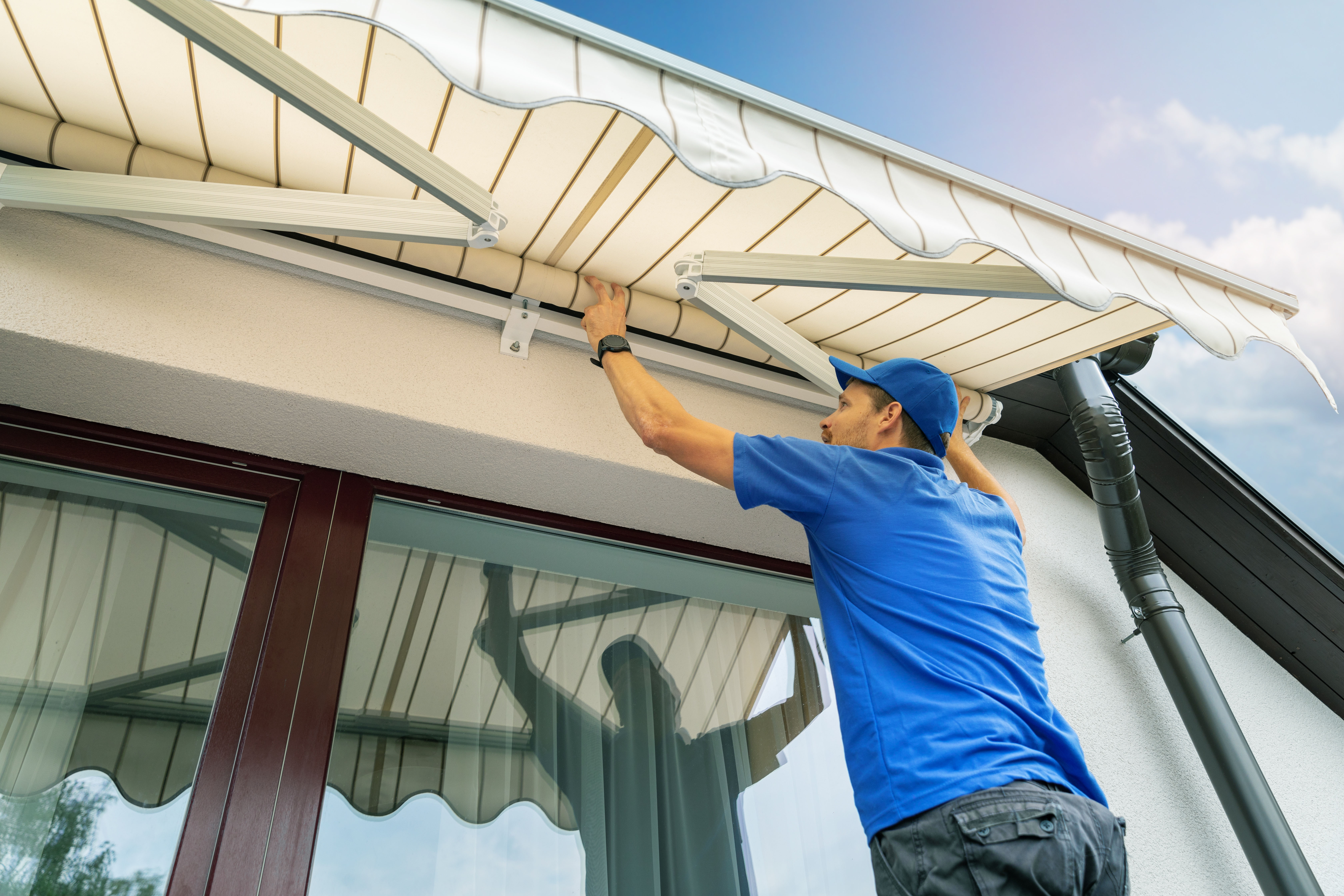
Adding an awning to your home can improve comfort, shade, curb appeal, and the overall usability of your outdoor space. Whether you want to create a cooler patio, protect windows from direct sunlight, or make your backyard more enjoyable, choosing the right awning style is an important decision. Two of the most common options are retractable and fixed awnings, and each one offers different advantages depending on how you plan to use the space.
A residential awning should match your lifestyle, budget, home design, and long-term maintenance expectations. Some homeowners prefer the flexibility of a retractable model that can be adjusted throughout the day, while others want the steady coverage of a permanent fixed structure. Understanding the differences between these options can help you choose a style that supports your comfort and complements your home.
Comparing Daily Shade Needs
One of the first things to consider is how often you need shade. Retractable awnings are ideal for homeowners who want control over sunlight throughout the day. You can extend the awning when the sun is strong and retract it when you want more natural light. This flexibility works well for patios, decks, outdoor dining areas, and windows that receive changing sun exposure. It also allows homeowners to adapt their outdoor environment based on weather conditions, personal preferences, and the specific activities taking place throughout the day.
Fixed awnings provide consistent shade without requiring adjustment. Once installed, they remain in place and continue protecting the same area every day. This can be helpful for entryways, windows, walkways, or outdoor seating areas that need reliable coverage. If your goal is steady protection rather than adjustable comfort, a fixed residential awning may be a practical option. Homeowners who prefer a simple solution often appreciate having dependable shade available without needing to operate or monitor the awning regularly.
Comparing Weather Protection
Weather conditions should also influence your choice. Retractable awnings can provide shade and light rain protection, but they usually need to be retracted during heavy rain, strong winds, or storms. This helps protect the fabric, frame, and moving parts from damage. Homeowners who choose retractable styles should be prepared to monitor weather conditions and use the awning responsibly. Taking these precautions can help extend the life of the system and reduce the likelihood of repairs caused by preventable weather-related damage.
Fixed awnings are designed to remain in place, making them better suited for ongoing protection from the sun and certain weather conditions. Depending on the material and installation, they may offer more dependable coverage for doors, windows, and outdoor areas. However, they still need to be properly designed for local conditions so they can handle wind, rain, and seasonal exposure. Choosing durable materials and professional installation can help improve performance and provide greater confidence during changing weather throughout the year.
Comparing Design Flexibility
Retractable awnings offer strong design flexibility because they can appear when needed and disappear when not in use. This can be appealing for homeowners who want shade without permanently changing the look of the exterior. Retractable styles are available in many fabrics, colors, frame types, and operating systems, including manual and motorized options.
Fixed awnings create a more permanent visual feature. They can add architectural interest, highlight windows, and make entrances look more finished. Because they stay visible all the time, their shape, color, and material should coordinate carefully with the home. A fixed residential awning may be especially appealing when homeowners want shade and exterior style working together.
Comparing Space and Placement
The layout of your outdoor area can determine which awning style works best. Retractable awnings often require enough wall space for secure mounting and enough open space for the awning to extend properly. They are commonly used over patios and decks because they can cover larger areas when needed while leaving the space open at other times.
Fixed awnings can work well in areas where permanent coverage makes sense. They are often used over doors, windows, ramps, and smaller sitting areas. Since they do not move, placement must be planned carefully before installation. Measuring the space, reviewing traffic patterns, and considering rooflines can help prevent awkward coverage or visual imbalance.
Comparing Maintenance Expectations
Maintenance is another important factor. Retractable awnings have moving parts, fabric, arms, and sometimes motors or sensors. These components may require periodic cleaning, inspection, lubrication, or adjustment. Keeping the fabric dry when retracted and removing debris can also help protect the awning over time. According to HomeAdvisor, retractable awnings typically have a lifespan of eight to fifteen years.
Fixed awnings may require less mechanical maintenance because they do not extend or retract. However, they still need regular cleaning and inspection. Dirt, leaves, moisture, and weather exposure can affect appearance and performance. Materials such as metal, fabric, and polycarbonate each have different maintenance needs, so homeowners should choose a product that fits their expectations.
Comparing Energy Efficiency
Both retractable and fixed awnings can help improve energy efficiency by reducing direct sunlight near windows and outdoor living areas. Less direct sun can help keep nearby rooms cooler, which may reduce the strain on air conditioning during warm weather. A properly placed residential awning can make a noticeable difference in comfort, especially on windows that receive intense afternoon sun.
Retractable awnings offer seasonal flexibility because they can be extended during hot months and retracted during cooler months when sunlight is welcome. Fixed awnings provide continuous shade, which can be helpful in consistently sunny areas but may block warmth during colder seasons. The best choice depends on your climate, window placement, and how much control you want over sunlight.
Comparing Long-Term Value
Value depends on how well the awning supports your goals. A retractable awning may cost more upfront because of its operating system, moving parts, and optional motorized features. However, many homeowners appreciate the convenience and comfort it provides. It can make outdoor spaces more usable and allow greater control over sun exposure.
A fixed awning may offer strong value for homeowners who want lasting coverage with fewer moving components. It can protect specific areas every day and add a polished look to the exterior. When professionally installed, either style can improve the function and appearance of a home. Choosing the right residential awning means balancing cost, use, durability, and design.
Comparing Lifestyle Preferences
Your lifestyle should guide the final decision. If you enjoy entertaining outdoors, adjusting shade throughout the day, or keeping your patio open when the weather is mild, a retractable awning may be a better fit. It gives you control and allows your outdoor space to adapt to changing conditions, activities, and seasons.
If you prefer a low-effort solution that provides coverage at all times, a fixed awning may be the right choice. It works well for homeowners who want reliable protection without making adjustments before each use. A fixed residential awning can also be useful for areas that need constant coverage, such as frequently used doors or exposed windows.
Choosing between a retractable and fixed awning comes down to how you use your space, how much flexibility you want, and what type of protection your home needs. Retractable awnings offer adjustable shade, seasonal control, and convenience, while fixed awnings provide consistent coverage, strong visual presence, and dependable protection. Both options can improve comfort and enhance your home when selected carefully and installed properly. The right residential awning can add value, increase outdoor enjoyment, and create a more comfortable environment for family and guests. If you are ready to explore the best awning style for your property, contact JC Awnings today.
Contact Us
- Seth@nysigndesign.com
- Port Chester, NY 10573
- 1-844-200-7364