6 Benefits of Installing an Awning Over Your Entryway
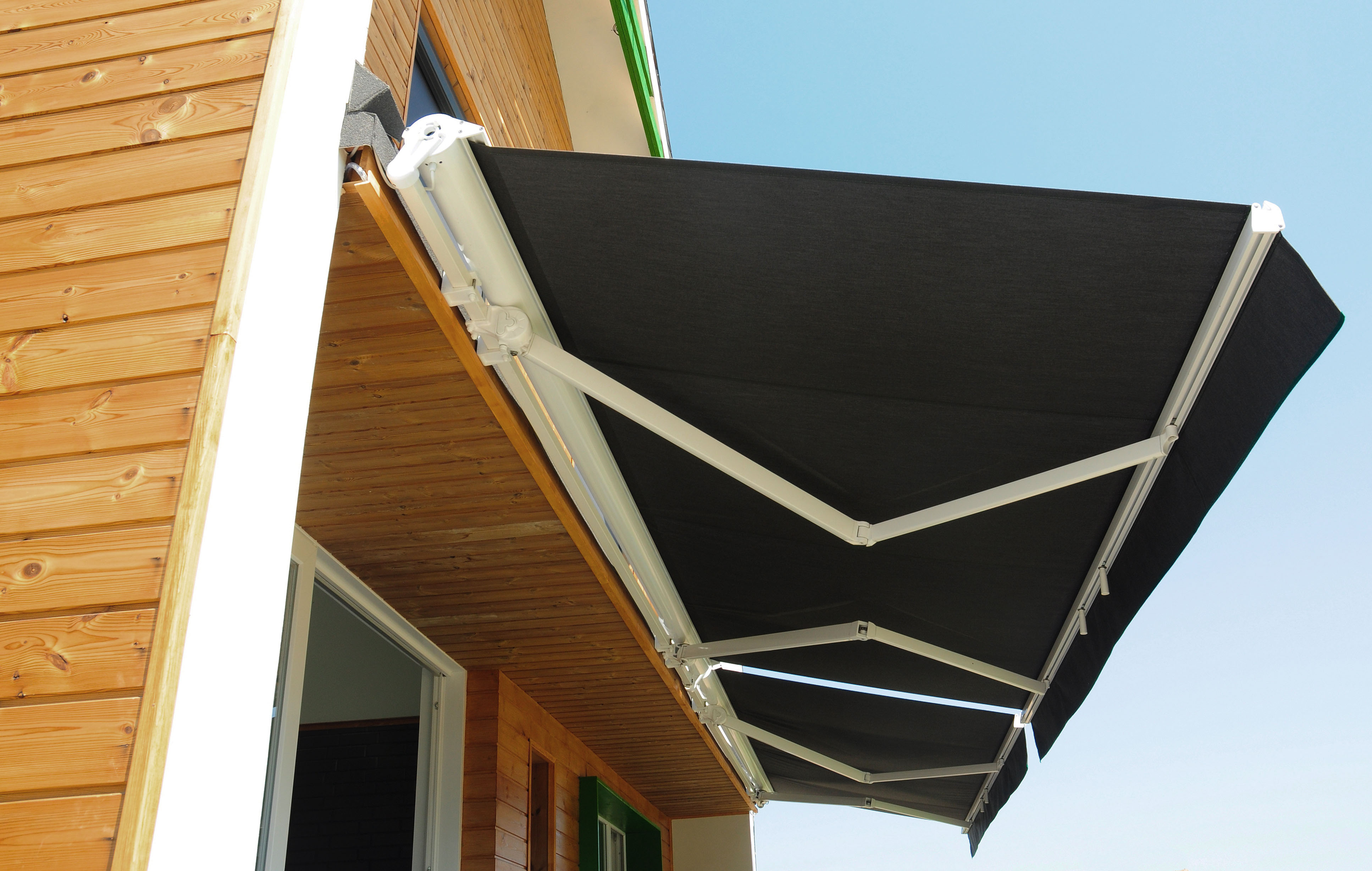
Adding a touch of style and functionality to your home often involves looking at the smaller details that make a significant impact. One of the most effective ways to upgrade your exterior while providing practical benefits is by installing a covering over your front door. This addition serves as more than just a decorative piece; it acts as a primary shield against the elements and an inviting transition into your living space. When homeowners consider various exterior upgrades, a residential awning often emerges as a top choice due to its versatility and aesthetic appeal. By choosing the right structure, you can transform a plain entrance into a focal point that defines the character of your entire property. Whether you are looking to increase the value of your home or simply want to stay dry while fumbling for your keys, the advantages of this installation are numerous and long-lasting.
1. Enhancing Your Curb Appeal
The first impression of your home starts at the curb, and the entryway is the centerpiece of that view. An architectural addition over the door provides a sense of depth and dimension that flat facades often lack. With a wide variety of fabrics, colors, and frame styles available, a residential awning allows you to express your personal style while complementing the existing architecture of your house. You might choose a classic striped pattern for a traditional look or a sleek, solid-colored canopy for a more modern aesthetic. This visual enhancement does not just please the eye; it signals to neighbors and potential buyers that the property is well-maintained and thoughtfully designed. Beyond the immediate beauty, these structures help define the entryway, making it feel more prominent and welcoming to everyone who approaches your home. The right choice in design can tie together various exterior elements, such as your siding color, trim, and landscaping, creating a cohesive and polished appearance that stands out in the neighborhood.
2. Protecting Your Exterior Materials
Constant exposure to the sun, rain, and snow can take a heavy toll on your front door and the surrounding trim. Over time, UV rays can cause paint to fade, wood to warp, and finishes to crack, leading to expensive repairs and replacements. By installing a residential awning, you create a permanent barrier that intercepts these harsh elements before they reach your home’s surfaces. This protection extends beyond the door itself to include the hardware, weatherstripping, and even the threshold. Keeping moisture away from the entry point reduces the risk of rot and water infiltration, which can cause significant structural issues if left unaddressed. During the winter months, the canopy prevents snow and ice from accumulating directly against the door, ensuring that your seals remain intact and your entrance remains functional. Investing in this type of overhead protection is a proactive way to extend the lifespan of your exterior components, saving you the hassle of frequent maintenance and preserving the integrity of your home’s envelope for years to come.
3. Increasing Your Energy Efficiency
Many homeowners are surprised to learn that a simple addition to their entryway can have a noticeable impact on their monthly utility bills. During the peak of summer, the sun’s rays can beat down on your front door and nearby windows, transferring a significant amount of heat into your foyer or hallway. A residential awning works by blocking this solar heat gain before it ever enters your home. By providing consistent shade, the structure keeps the immediate area around your entrance much cooler, which means your air conditioning system does not have to work as hard to maintain a comfortable internal temperature. This reduction in thermal transfer is particularly beneficial for homes with large glass inserts in their doors or sidelights that act as heat traps. In addition to keeping things cool in the summer, the extra layer of protection can help break the wind during colder months, reducing the amount of chilly air that seeps through the cracks of your doorway. According to Fixr, costs for awnings vary widely based on type, size, material, and location, generally ranging from $250 to $4,000.
4. Improving the Guest Experience
Hospitality begins before a guest even steps inside your home. There is nothing more welcoming than providing a dry, shaded place for visitors to stand while they wait for you to answer the door. Without a residential awning, guests are left exposed to the blazing sun or pouring rain, which can make for an uncomfortable start to any visit. By extending a canopy over the porch or stoop, you create a sheltered microclimate that protects people from the weather. This is especially helpful during unexpected downpours when guests may need a moment to close their umbrellas or shake off excess water before entering your clean interior. The shade provided also makes the entryway more comfortable for delivery drivers and postal workers who frequent your home. Creating this small zone of comfort shows a level of consideration for everyone who visits, making your home feel more hospitable and refined. It turns a simple transition point into a functional space where people can pause and prepare to enter your home without feeling rushed by the weather.
5. Expanding Your Living Space
While we often think of the entryway as just a path to the indoors, a well-planned installation can actually expand the usable square footage of your property. A residential awning creates a covered area that can serve as a small outdoor seating nook or a protected spot for decorative planters. In smaller homes, this extra bit of sheltered space is invaluable, offering a place to kick off muddy shoes or store wet gear without cluttering the inside. It allows you to utilize your front porch or stoop more frequently, regardless of whether the sun is too bright or a light drizzle is falling. You might find yourself stepping outside more often to enjoy a morning coffee or to watch the sunset when you have a reliable roof over your head. This transition zone blurs the line between the indoors and outdoors, making your home feel larger and more connected to its surroundings. By maximizing the utility of your entryway, you are not just adding a decorative feature; you are creating a new way to experience and enjoy your home’s exterior environment.
6. Maintaining Your Interior Floors
One often overlooked benefit of a front door covering is the protection it offers to the inside of your home. When you have a residential awning, the area directly in front of your door stays significantly drier and cleaner than an exposed stoop. This means that less mud, water, and debris are tracked into your foyer by family members and pets. Moisture is one of the biggest enemies of hardwood floors, laminate, and carpeting, often causing staining or warping near the entrance. It is a simple solution that contributes to a cleaner, healthier, and more beautiful indoor environment by addressing the mess at the source before it ever crosses your threshold.
Deciding to enhance your entryway with a high-quality covering is a smart investment that pays dividends in comfort, protection, and style. From the significant boost in curb appeal to the practical savings on energy bills and maintenance, the value provided by a residential awning is undeniable. It creates a more welcoming environment for your guests and a more durable exterior for your property. At JC Awning, we specialize in helping homeowners find the perfect fit for their unique needs and architectural styles. Our team is dedicated to providing durable and beautiful solutions that stand the test of time. Reach out to JC Awning today to learn more about our options and schedule a consultation to transform your home’s entrance into a stunning and functional masterpiece.